

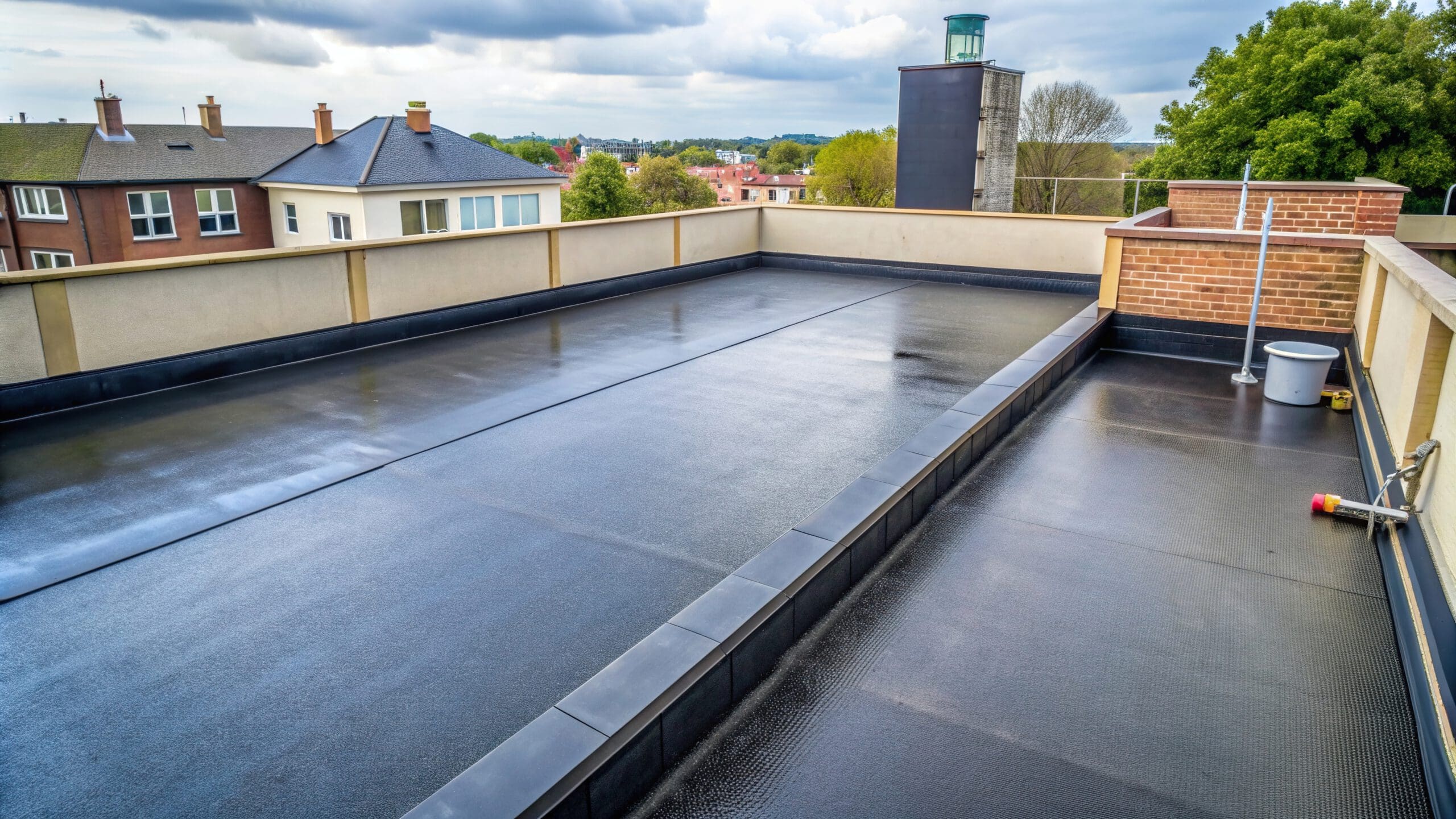
Flat Roofing in Portishead
Flat roofing offers a practical, durable solution for extensions, garages, commercial buildings and modern homes. Summers Roofing installs, repairs, and maintains a range of flat roofing systems, including EPDM roofs, fibreglass roofs, and single ply roofing, delivering reliable waterproof protection built to withstand UK weather conditions.
Summers Roofing: Flat Roof Installation, Repair & Maintenance From Bristol to Yate
Summers Roofing is a trusted Bristol roofing contractor, serving surrounding areas including Chepstow, Clevedon, Nailsea, Portishead, and Yate. Offering everything from roof repairs to roof replacements and chimney repairs, our roofers pride themselves on their professionalism, ensuring that every job is completed to the highest standard.
We don’t just say this, but back it up with long-term guarantees: 5 years for roof repairs, and 10 years for roof replacements and new installations. One area we specialise in is flat roofing, which you can discover more about on this page.
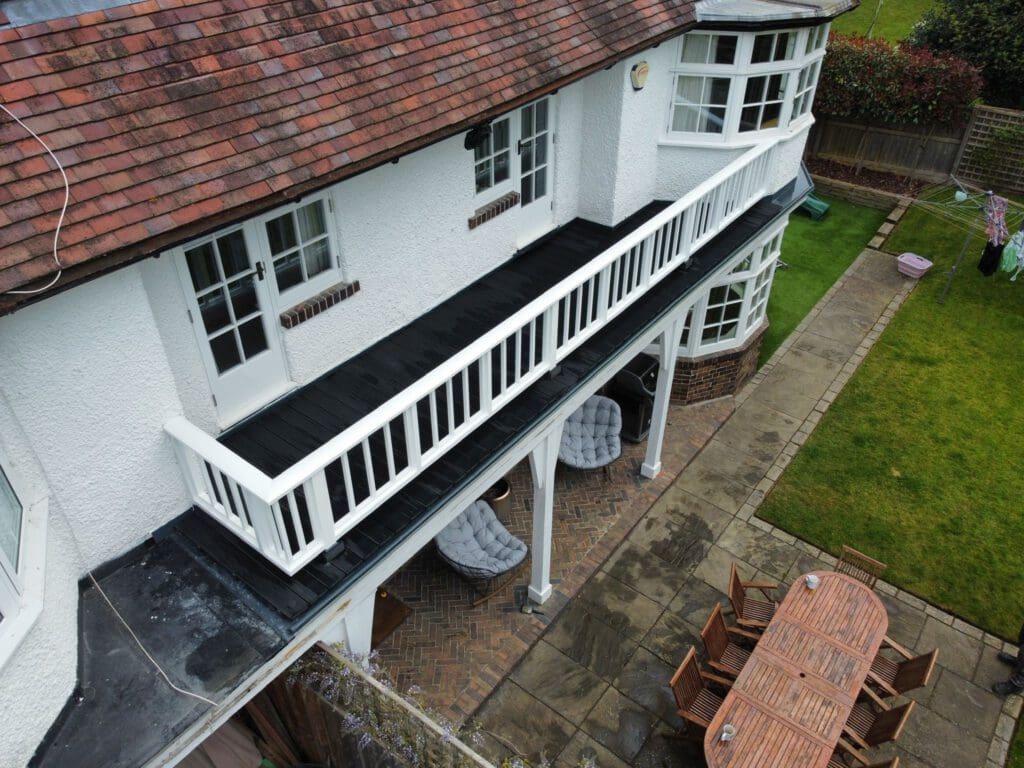
Types of Flat Roofs Installed by Our Roofing Contractors
Proper construction is key to a flat roof’s long-term durability and performance. At Summers Roofing, we ensure that flat roofing systems are carefully designed to prevent water pooling and minimise maintenance over the years.
We install a variety of systems, from EPDM roofs to fibreglass roofs and beyond. If you’re unsure which will best suit your particular property, give us a call to schedule in a consultation so we can provide advice on making the right choice.
- EPDM Roofs (Rubber Roofing) – Known for their exceptional durability, EPDM roofing provides long-lasting protection against the elements. This material is incredibly flexible and resistant to UV exposure, heavy rain and snow, easy to apply, and more time-efficient to install, making it a cost-effective flat roofing solution.
- Fibreglass Roofs – These GRP (Glass Reinforced Plastic) roofs are another strong and reliable option for flat roofing. Fibreglass is lightweight yet durable, providing excellent protection against harsh weather conditions. It’s also resistant to UV rays and general wear and tear.
- Felt Roofs – Felt roofing is a cost-effective, traditional option that’s often used in commercial buildings, sheds and garages. Multiple layers of felt material are applied to provide protection against the elements. While felt roofs offer solid waterproofing, they may require more frequent maintenance than EPDM or fibreglass roofs and are unlikely to last quite as long.
- Single-Ply Roofing – Single-ply roofing is typically made from materials like PVC or TPO. This roofing type is lightweight, durable, and resistant to UV rays and chemicals. Single-ply roofs can prove ideal for both residential and commercial buildings and offer a streamlined installation process with minimal disruption.
Flat Roofing Repair & Maintenance
As a one-stop roofing contractor covering all locations surrounding Bristol, Chepstow, Clevedon, Nailsea, Portishead, and Yate, we also offer flat roof repairs and maintenance services, ensuring that your system continues to provide reliable protection for years to come.
- lat Roof Repairs – Whether you’re dealing with leaks, cracks, or pooling, we offer comprehensive flat roof repair services. Common repairs include patching, re-roofing, and addressing water buildup. Our team is experienced in diagnosing and repairing all forms of flat roof, ensuring that our roof repairs are carried out to the highest standard. We also offer complete roof replacements for those beyond repair.
- Storm & Weather Damage Repairs – Storms and extreme weather conditions can cause significant damage to flat roofs. We provide expert storm damage repairs, addressing issues such as broken flashing, damaged sections of the roof, and pooling water. We work efficiently to minimise disruption and restore your flat roof to its original condition.
- Maintenance Services – Regular maintenance from a reputable roofing contractor is a great way to keep your flat roof in optimal condition. Our services cover inspections, cleaning, and sealing. By identifying and addressing small issues early on, we can help you avoid costly roof repairs in the future and generally extend your system’s lifespan.
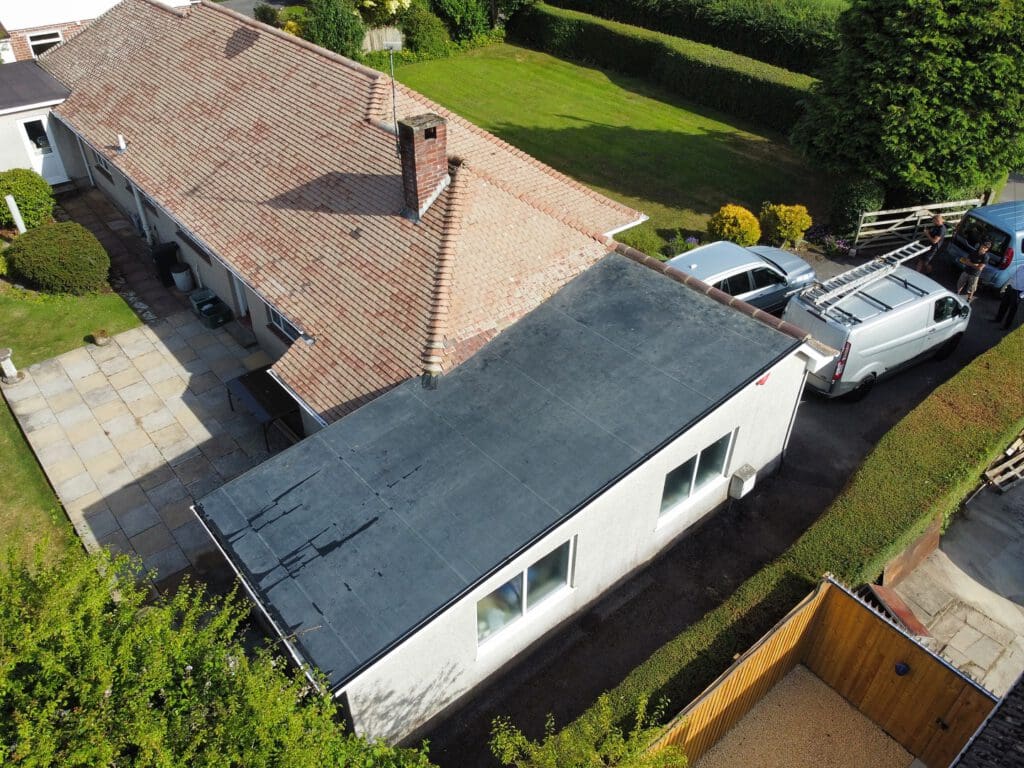
FAQs – Flat Roofing
The best flat roofing material depends on your property, budget, and long-term expectations. EPDM roofing is highly durable, flexible, and resistant to UV exposure, making it a popular low-maintenance option. Fibreglass roofs (GRP) provide a seamless, hard-wearing finish with excellent longevity and strong resistance to water ingress. Single ply roofing systems are lightweight and efficient to install, often used on both domestic and commercial properties. A professional assessment allows the most suitable system to be recommended based on drainage, foot traffic, insulation requirements and exposure to the elements.
The lifespan of flat roofing varies by material and installation quality. EPDM roofs can last several decades when installed correctly, while fibreglass roofs are also known for their long service life and minimal maintenance requirements. Single-ply roofing systems provide strong durability when properly fitted. Regular inspections and maintenance will also significantly extend performance, helping to prevent small defects from developing into more serious issues requiring flat roof replacement.
Many flat roofing issues can be resolved with targeted flat roof repairs, including patching small leaks, resealing joints, repairing flashing, or addressing minor pooling. Replacement is usually only recommended when deterioration is widespread, the membrane has reached the end of its lifespan, or recurring leaks indicate structural failure beneath the surface. We will assess the overall condition before advising whether repair or replacement offers better long-term value.
Flat roofs are designed with a slight fall to allow water to drain towards outlets or gutters. Pooling can occur if the roof has settled over time, drainage outlets are blocked, or the original installation lacked adequate slope. Persistent standing water can accelerate material wear and increase the risk of leaks. Proper installation, correct falls, and routine maintenance inspections help ensure flat roofing systems remain watertight and structurally sound.
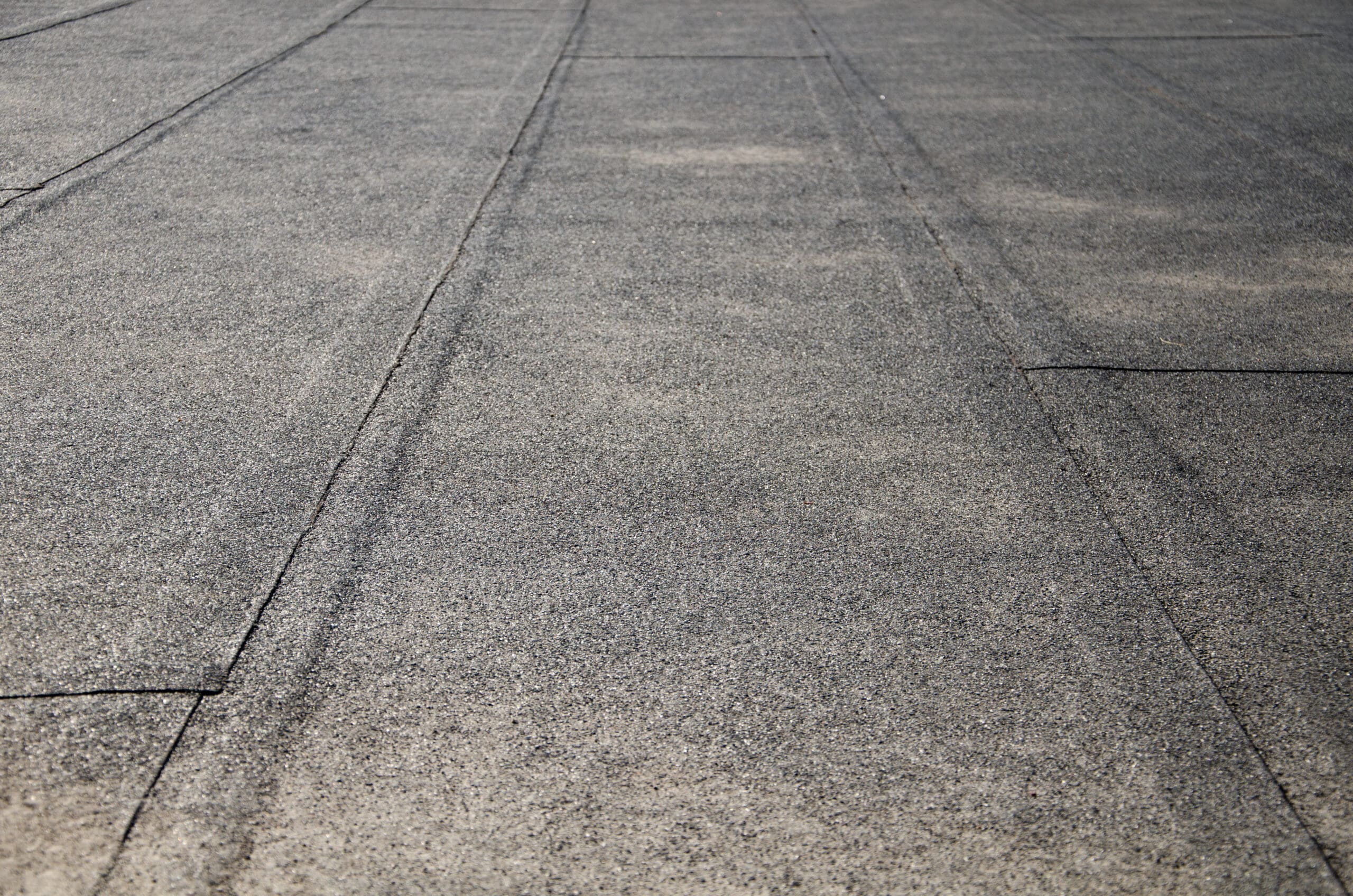
Get in Touch for Flat Roofing in the Southwest
If you’re looking for a reliable and professional roofing contractor to handle your flat roofing needs in Bristol, Chepstow, Clevedon, Nailsea, Portishead, Yate, or the surrounding areas, Summers Roofing is here to help. Whether you need a new EPDM roof installed, flat roof repairs, or ongoing maintenance, we have the expertise to get the job done right. Contact us today at 01179 000447 for expert flat roofing services backed by our trusted guarantees.