

Flat Roofing in Yate
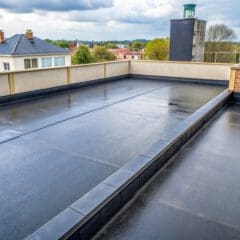
Flat roofing is a popular solution for extensions, garages and commercial units across Yate, but many property owners become concerned when they notice standing water after rainfall. Pooling, sometimes called “ponding”, can look alarming, and in some cases, it signals that underlying issues need attention.
Why Does a Flat Roof Pool Water?
As an experienced roofing contractor serving Yate, Summers Roofing regularly carries out roof repairs, roof replacements, flat roofing installations, and chimney repairs. Persistent pooling is one of the most common early warning signs we investigate. Understanding why it happens is the first step towards preventing long-term structural damage.
Flat roofs are not meant to be completely flat.
Despite the name, flat roofs are always designed with a slight fall. This subtle slope allows rainwater to flow toward drainage outlets or gutters. If water remains on the surface for more than 24–48 hours after heavy rainfall, drainage is impaired. In many cases, the issue is not dramatic failure but gradual deterioration.
Common Causes of Water Pooling
Inadequate drainage fall
If the original installation did not create sufficient slope, water will naturally settle in low points. Over time, even minor structural movement can exaggerate these dips.
Blocked outlets and gutters
Debris buildup is particularly common in residential areas of Yate, where trees surround extensions and garages. Leaves and moss restrict water flow and create surface accumulation.
Membrane shrinkage or ageing materials
Older felt roofs can shrink, blister or crack, forming shallow depressions. Modern materials such as EPDM and fibreglass are more durable, but poor installation can still cause drainage issues.
Structural sagging beneath the surface
If timber decking beneath the membrane has absorbed moisture, it may begin to bow slightly. That sagging creates a basin effect, where water repeatedly gathers.
Why Pooling Shouldn’t be Ignored
Standing water adds weight and, over time, that weight places strain on the structure below. It also accelerates material wear and increases the risk of leaks developing along seams or flashing points.
In many situations, targeted roof repairs are sufficient. Clearing drainage, repairing localised membrane damage, or adjusting detailing may resolve the issue quickly. However, if pooling has persisted for years or deterioration is widespread, roof replacements may be more cost-effective than repeated patching.
A professional roofing contractor will assess whether the roofing system remains structurally sound or whether replacement provides better long-term value. During inspection, adjoining elements such as flashing and chimney junctions are also examined, as prolonged moisture exposure can eventually lead to chimney repairs if water tracks towards those areas.
Material Choice Makes a Difference
The type of flat roofing installed plays a significant role in how pooling affects performance.
- EPDM roofs offer flexibility and can tolerate minor movement without cracking.
- Fibreglass roofs (GRP) provide a rigid, seamless surface that resists standing water effectively when correctly installed.
- Older felt systems are more vulnerable to blistering and shrinkage over time.
Choosing high-quality materials and ensuring correct installation reduces the likelihood of persistent drainage problems.
Maintenance is the Simplest Protection
Regular inspection is the most reliable way to prevent small concerns from escalating. Annual checks allow early identification of drainage blockages, membrane fatigue or minor splits before they require significant intervention.
Ignoring early warning signs often results in more extensive roof repairs later. In more advanced cases, prolonged water exposure can undermine structural integrity, making roof replacements unavoidable. Persistent moisture around flashing points can also increase the risk of chimney repairs if water begins to track along masonry joints.
When to Seek Professional Advice
If water consistently remains on your flat roof after rainfall, it’s worth arranging an inspection rather than waiting for internal leaks to appear. Early diagnosis by Summers Roofing will keep repair costs predictable and prevent secondary damage to insulation, timbers and interior finishes.
For property owners in Yate, acting promptly can make the difference between minor roof repairs and a full roof replacement. Our experienced roofing contractors will provide clear guidance on whether adjustments to your flat roof are sufficient or whether more comprehensive work is required, helping you avoid unnecessary chimney repairs caused by prolonged moisture exposure.
Pooling is rarely just cosmetic. It is usually a signal that something needs attention. Addressing it early protects both the flat roofing structure and the wider roof system, ensuring long-term performance and stability.
Don’t Wait Until it’s Too Late!
If you’re experiencing persistent pooling on flat roofing in Yate, don’t let it develop into a larger structural issue. We can assess your roof’s condition and advise whether targeted repairs or a full roof replacement is the most sensible solution. We also inspect adjoining areas such as flashing and chimney structures to prevent avoidable chimney repairs caused by prolonged moisture exposure.
For clear advice and professional support, call Summers Roofing on 01179 000447 and arrange an inspection today.