

Roofing Contractor in Portishead
Are you considering a new flat roof? Have you investigated which materials suit you best based on aesthetics, practicality, and budget? Our roofing contractors at Summers Roofing are available to offer advice based on many years of roofing industry experience. In this article, we look at EPDM and fibreglass flat roofing systems.
EPDM vs Fibreglass: Which Flat Roofing System is Right?
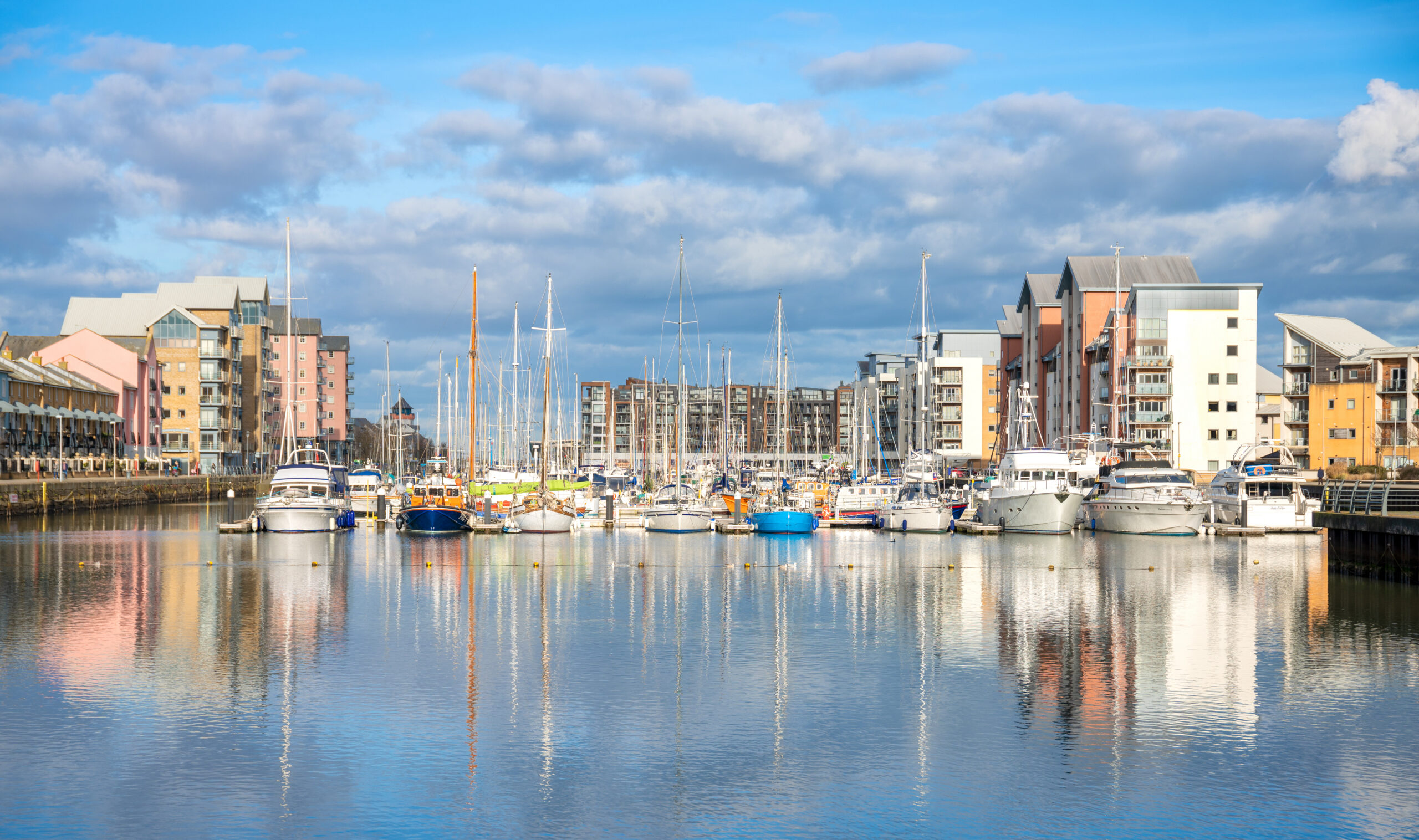
Flat roofs are a common feature on extensions, garages, and modern properties throughout Portishead. With coastal exposure and changing weather conditions, choosing the right system matters more than many homeowners realise. Selecting the right material at the outset can significantly reduce long-term maintenance costs and prevent avoidable leaks.
As an experienced roofing contractor serving Portishead, we regularly advise homeowners on flat roofing options, as well as roof repairs, roof replacements, and chimney repairs. EPDM and fibreglass are both modern, high-performance systems, but they behave differently in certain conditions. Understanding those differences helps you make a confident, informed decision.
What Makes EPDM a Popular Flat Roofing Choice?
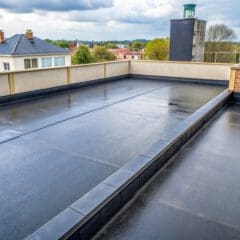
EPDM is a synthetic rubber membrane widely used for domestic flat roofing installations. It is supplied in large sheets, which reduces the number of seams and potential weak points. One of its biggest advantages is flexibility. EPDM can accommodate slight structural movement without cracking, which is particularly useful on timber-decked extensions or garages.
Other practical benefits include:
- Strong resistance to weathering
- Good performance under UV exposure
- Relatively efficient installation process
- Minimal ongoing maintenance when fitted correctly
For larger roof areas, EPDM can be especially effective because fewer joins mean fewer potential leak points. When installed by a qualified roofing contractor, it can provide reliable long-term waterproofing.
Why Homeowners Choose Fibreglass (GRP)
Fibreglass roofing, often referred to as GRP, creates a rigid, seamless surface once cured. It forms a strong waterproof layer with a smooth finish, which many property owners prefer visually.
Its main advantages include:
- Seamless waterproof coating
- High durability
- Strong resistance to standing water
- Hard-wearing finish suitable for occasional foot traffic
Because GRP cures into a solid surface, it can perform very well on smaller roofs where a crisp, clean appearance is important. It is often selected for balconies, dormers, and compact extensions.
The Coastal Consideration in Portishead
Portishead’s coastal setting introduces additional factors. Salt carried in the air can accelerate wear on exposed metal components such as flashing and edge trims. Strong winds can also test roof edges and junctions.
This is where detailing becomes just as important as the membrane itself. A poorly finished edge or a weak junction can cause water ingress, even if the flat roofing material itself is sound. Over time, this may result in roof repairs or, in more severe cases, roof replacements. If moisture tracks towards masonry stacks, it can also lead to avoidable chimney repairs.
A thorough assessment from Summers Roofing will always include drainage design, edge detailing, and junction integrity, not simply material selection.
Lifespan & Maintenance Expectations
Both EPDM and fibreglass significantly outperform older felt systems when properly installed. However, neither system is maintenance-free.
Routine checks should include:
- Clearing debris from drainage outlets
- Inspecting edges and trims
- Checking for splits or lifting
- Monitoring for persistent ponding water
If small defects are identified early, targeted roof repairs can usually resolve them quickly. Delayed attention increases the likelihood of wider deterioration, potentially making roof replacements more cost-effective than repeated patching.
It is also important to inspect flashing and adjoining structures. Long-term moisture exposure around junctions can compromise chimney brickwork and increase the need for chimney repairs.
Which Option Offers Better Value?
There is no universal answer. EPDM often represents strong value for larger surface areas and roofs that may experience minor structural movement. Fibreglass can offer superior surface strength and aesthetic finish for compact, defined roof areas.
The decision should consider:
- Roof size and layout
- Structural movement potential
- Budget
- Exposure level
- Intended use of the roof space
Our roofing contractors will evaluate these factors and recommend the system most suited to your property’s specific needs.
So, Why Not Get in Touch?
If you’re considering new flat roofing in Portishead, our roofing contractor team can assess your roof structure, drainage, and detailing before advising on EPDM or fibreglass. Or perhaps you may still prefer the rustic look of felt. We also perform roof repairs, roof replacements, and chimney repairs, ensuring your entire roofing system performs reliably for years to come.
For clear advice and professional installation, call Summers Roofing on 01179 000447 to arrange a consultation.